

Author: Lindsay Morton, Senior Manager, Open Science Community Engagement, PLOS Registered Reports support scientific rigor, help to create a more complete scientific…
Finding Connection and Career Inspiration at the What Can You Be With a PhD?Conference

As a 7th year Ph.D. student, I share the same anxieties as my peers about the daunting job market ahead. Throughout graduate school, many of us have heard of the horror stories about the tough job market, whether from recent graduates or at career fairs. We have been told that “networking is key” to getting that first job in this economic climate. But how does one even start to network?
Fortunately, doing graduate school in New York City means there are plenty of events you can attend to meet people. One great event that was recommended to me was the What Can You Be With a PhD? (WCUB)Conference. Although I attended in 2022, like many virtual events, it was hard to stay engaged. This year, WCUB was back in person, and I thought I would take advantage of not only attending but also volunteering to meet others in real life.
Volunteering: My Way In
As a volunteer, I could attend the event for free and even snag a free t-shirt. I thought volunteering would be a fun way to connect with other early-career scientists. In the early years of grad school, I was involved in several extracurriculars which fell to the wayside as I got busier with my thesis. The volunteer management team made it easy to balance both roles: we were assigned only a few short shifts, leaving plenty of time to attend sessions as participants.
What Recruiters Wish You Knew
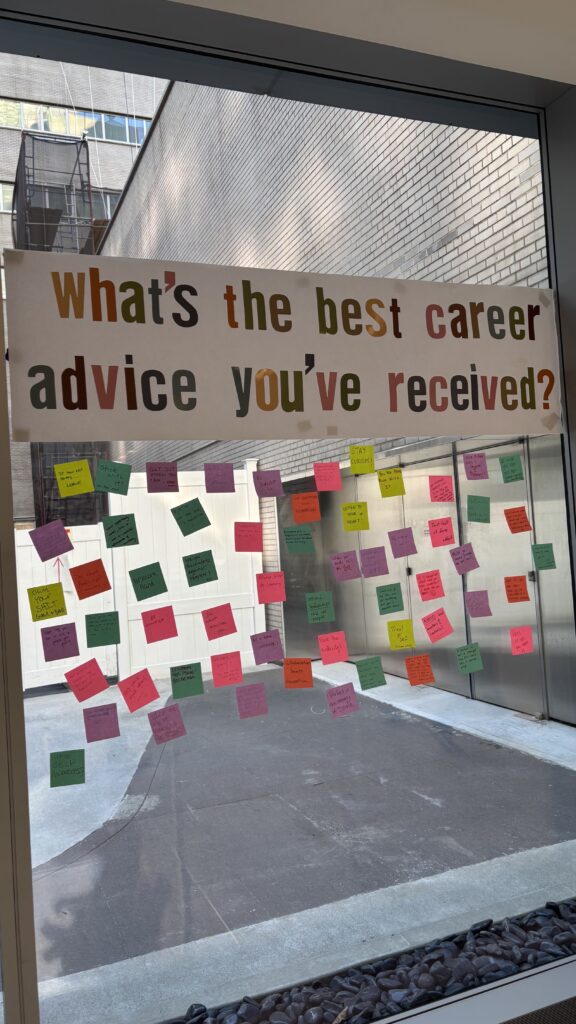
The first event that I attended was “What Recruiters Wish You Knew” workshop. My main takeaway from this workshop is that the current job market is even tougher than I thought it was.
One recruiter from the biotech/pharma sector mentioned that for entry-level PhD roles, there can be 200–300 applicants — and often only the first 20 or 30 resumes are reviewed unless someone in the company refers you. Recruiters spend only 2–3 minutes on each resume, skimming for key terms. That was sobering. It underscored just how critical networking and researching the company really are in getting noticed.
Another recruiter, who works in the financial sector, added that nearly all positions they have filled came through referrals, and many roles are never publicly advertised. This reinforced the importance of knowing people who have jobs, not just applying to postings.
15 Steps to a Stellar LinkedIn: Build Your Profile, Boost Your Network
After lunch, I attended a workshop that offered concrete changes that can make a big difference in catching the attention of employers. Here are a few tips that left me inspired to do a complete makeover on my LinkedIn profile.
- Draft a strong “About”, “Experience” and “Skills” section.
An interesting statistic that was mentioned was that 95% of recruiters search on LinkedIn — and 5× more by skill than by degree. Using the right keywords can dramatically increase your visibility. One tip was to download your LinkedIn profile as a PDF and upload it to ChatGPT to optimize keywords to use. This is a clever strategy that allows you to market yourself across multiple fields you may be applying for jobs in.
- Prioritize Recommendations over Endorsements
Recommendations are essentially mini-reference letters for hiring managers to see before you even get an interview! They offer more substance than quick-click endorsements from my friends. My profile currently has none, but I left motivated to start asking my lab mates for them.
- Use LinkedIn as your personal brand
This is what distinguishes you from the other job applicants. Your headline and even your cover photo should reflect your professional identity and personality. My current headline, “PhD Candidate” doesn’t say much about who I am. I started to brainstorm alternative descriptions beyond my title: an enthusiastic biomedical scientist who specializes in cancer genomics and is passionate about data storytelling.
By the end of the workshop, I realized that marketing yourself in the job market is a lot like how companies advertise to their consumers.
Careers in Medical affairs
My final session of the day was “Careers in Medical Affairs”. The main takeaways that I got was:
- The job involves communicating with people from a wide range of backgrounds. explaining complex topics with the big picture in mind.
- Compared to PharmD’s, it is often harder for PhD’s transition directly into medical affairs and many start in medical communications, consulting or clinical research organizations first.
- Medical science liaisons (MSLs) typically get hired at phase 3, when a drug is close to approval. You can tell when a company will be ready to build a field team by looking at their drug pipeline and seeing which stage they are at.
- Compared to academic roles, the pay is really good — several of the panelists mentioned how much easier it was to support a family with an MSL salary, compared to when they were in academia!
Initially, I had planned to attend another workshop, but I’m glad I went to this one — it shifted my perspective. One panelist mentioned that PhD’s often overlook commercial or marketing-related roles, assuming they don’t “fit”. That comment stuck with me. I realized that I don’t have to limit myself to R&D positions just because they feel closest to my thesis work.
Closing Reflections
While I have been to several career development events before, WCUB was the most practical and insightful. Although, the job market being tough was repeated across different speakers and panelists, I still left feeling with a sense of optimism that I didn’t have before. The sessions provided advice that went beyond the usual “common sense” tips and offered concrete actionable strategies for navigating the job market.
Unlike my parents’ generation, getting a job right after graduation is no longer guaranteed. Navigating today’s market is practically a full-time job itself. You can’t expect to land a position without networking with people at the companies that you want to work for. Even though it feels uncomfortable, I realized I had to put myself out there so that I can expand my professional network.
Another recurring theme was utilizing AI to your advantage. Several speakers mentioned that if you don’t use AI tools to improve your job application materials, you will get left behind, especially since many companies now use AI software to filter resumes. I’ve been hesitant to rely on AI too much, due to the “deskilling” phenomenon that can happen with overuse. But perhaps using AI to outsmart the AI screening your application is a new reality that job seekers must embrace.
Beyond that, it was refreshing to reconnect with old colleagues, meet new peers, and share honest conversations about our career worries. Many of the volunteers I met were also senior graduate students preparing to defend — and it was comforting to realize that others share the same feelings of uncertainties and challenges as I do. Going to this conference inspired me to attend more networking events and connect with industry professionals who can teach me about life sciences careers beyond the bench.
More than anything, it opened my eyes to career paths I hadn’t seriously considered before. I discovered that my strengths aren’t limited to my research skills — I have transferable skills that are valuable in non-research roles as well. Since I genuinely enjoyed meeting so many people this weekend, I started thinking about pursuing more communication-oriented roles.
Yes, the job market is tough. But this conference reminded me that if you stay open-minded and explore beyond your comfort zone, you will be able to land the job that you want.
Featured photo is by Niek Verlaan from Pixabay https://pixabay.com/photos/keyboard-button-key-enter-input-417090/ )